- Build a strong wardrobe foundation with versatile, timeless essentials that are easy to mix and match.
- Focus on fit and comfort to ensure your outfits look polished and feel good throughout the day.
- Use simple styling techniques like layering and color coordination to create fresh looks from the same pieces.
- Elevate basic outfits with carefully chosen accessories such as bags, jewelry, and belts.
- Choose clothing that can transition easily between different occasions for maximum flexibility.
- Develop your personal style over time by understanding what works best for your lifestyle and preferences.
Creating everyday outfits that feel effortless yet stylish can be challenging, especially with busy schedules and ever-changing trends. The key is not having more clothes, but knowing how to use what you already own effectively. With the right approach, you can simplify your daily routine while still looking polished and confident.
This guide shares practical advice to help you build reliable outfits that work for different occasions without overthinking your wardrobe choices.
Why Is It Important to Build Everyday Outfits That Work?
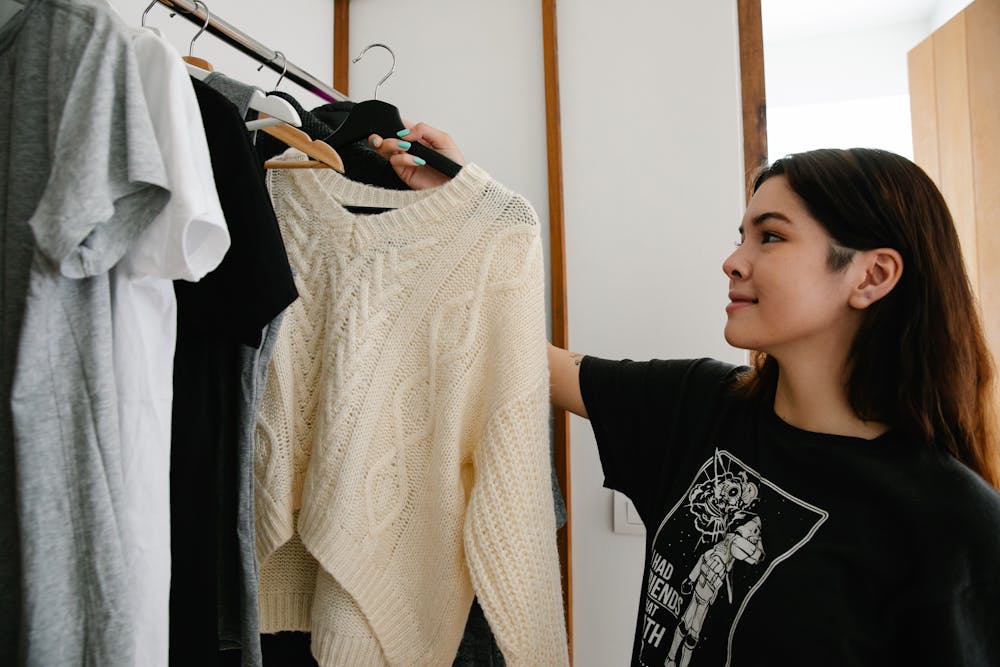
Building everyday outfits that consistently look good is about more than just fashion—it’s about saving time, reducing stress, and boosting confidence. When you have go-to outfit combinations, you eliminate decision fatigue and make your mornings smoother. Instead of trying on multiple outfits, you already know what works and what doesn’t.
Another benefit is versatility. A well-thought-out wardrobe allows you to transition seamlessly from casual errands to work meetings or social gatherings. By focusing on functionality and comfort, you ensure your clothing supports your lifestyle rather than complicating it.
Style Tips for Women: Building a Strong Wardrobe Foundation
A functional wardrobe starts with a solid foundation of versatile and timeless pieces. These essentials act as the building blocks for countless outfit combinations, making it easier to create looks that work every day. Instead of chasing trends, focus on items that offer flexibility and longevity.
When selecting wardrobe staples, prioritize quality, fit, and neutral colors. These elements make mixing and matching effortless while maintaining a polished appearance. A strong foundation also helps you avoid impulse purchases that don’t integrate well with your existing clothes.
Key wardrobe essentials to invest in:
- Well-fitted jeans or trousers
- Basic tops in neutral colors
- A classic blazer or jacket
- Comfortable everyday shoes
- A versatile dress
How Can You Mix and Match Pieces Effectively?
Mixing and matching is a crucial skill for creating everyday outfits that feel fresh without requiring a large wardrobe. By learning how to pair different items creatively, you can maximize your clothing options and reduce the need for constant shopping.
Start by combining basics with statement pieces. For example, a simple white shirt can be elevated with bold accessories or layered under a structured jacket. The goal is to create balance—pairing simple items with more eye-catching ones to avoid overwhelming your look.
Tips for effective mixing and matching:
- Stick to a cohesive color palette
- Combine textures like denim, cotton, and knits
- Rotate accessories to change the vibe
- Layer pieces for added dimension
What Role Does Fit and Comfort Play in Everyday Style?
No matter how trendy an outfit is, a poor fit can ruin the overall look. Clothing that fits well enhances your silhouette and boosts your confidence, making even simple outfits stand out. Comfort is equally important, as it allows you to move freely and feel at ease throughout the day.
Pay attention to how clothes sit on your body rather than just focusing on size labels. Tailoring can make a significant difference, turning average pieces into perfectly fitted staples. Comfortable fabrics and breathable materials also ensure your outfits remain practical for daily wear.
How Do Accessories Elevate Simple Outfits?
Accessories are often underestimated, but they play a powerful role in transforming basic outfits into stylish ensembles. A simple combination of jeans and a top can look completely different with the addition of the right accessories.
The key is to use accessories strategically. Instead of overloading your outfit, choose a few pieces that complement your look. This approach keeps your style refined while still adding personality and flair.
Accessories that make a difference:
- Statement necklaces or earrings
- Structured handbags
- Belts to define your waist
- Scarves for added texture
Can You Build Outfits for Different Occasions Easily?
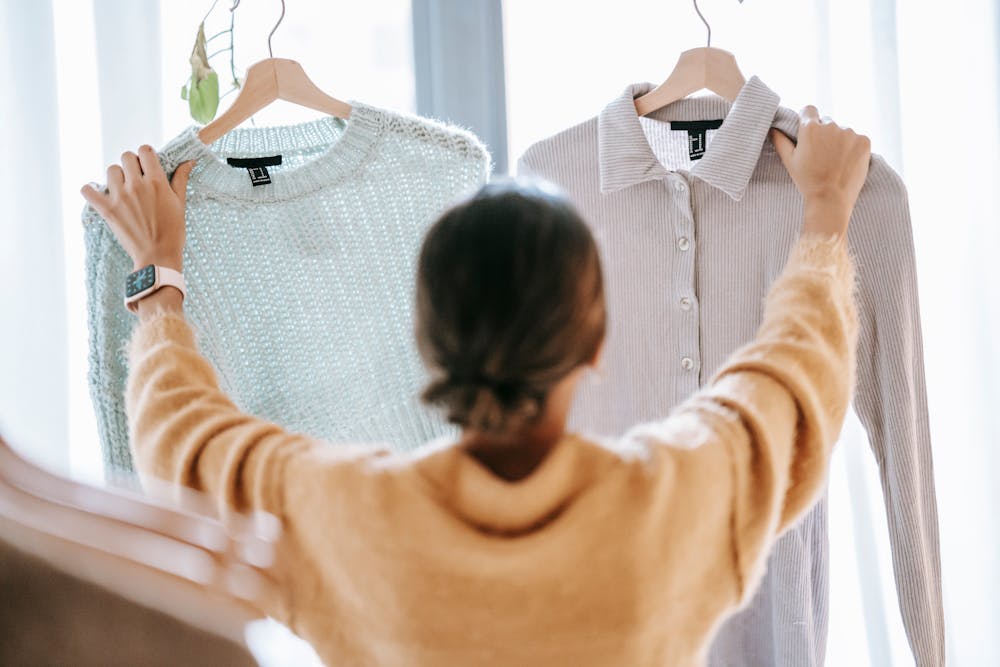
One of the most valuable style skills is the ability to adapt your outfit for different situations. With the right pieces, you can create looks that transition effortlessly from day to night or from casual to formal settings.
For instance, a simple dress can be dressed down with sneakers for daytime errands or elevated with heels and accessories for an evening event. The idea is to choose versatile clothing that can be styled in multiple ways depending on the occasion.
Planning ahead also helps. Consider your daily activities and build outfits that align with your schedule, ensuring both practicality and style.
How Can You Develop Your Personal Style?
Developing your personal style is a gradual process that evolves with your preferences, lifestyle, and experiences. It’s not about copying trends but understanding what makes you feel confident and comfortable.
Take inspiration from different sources, but always adapt ideas to suit your personality. Over time, you’ll notice patterns in what you enjoy wearing, which will help you refine your wardrobe choices. Interestingly, exploring related fashion advice—such as style tips for men—can also offer fresh perspectives on simplicity and functionality.
Consistency is key. By regularly evaluating your wardrobe and experimenting with new combinations, you’ll build a signature style that works effortlessly for your everyday life.
Conclusion
Building everyday outfits that work doesn’t require a massive wardrobe or constant shopping. It’s about making thoughtful choices, focusing on versatility, and understanding what suits your lifestyle. By investing in essential pieces, mastering mixing and matching, and paying attention to fit and accessories, you can create stylish, reliable outfits with ease.
Over time, these habits will simplify your routine and enhance your confidence. With a clear sense of personal style and a well-organized wardrobe, getting dressed each day becomes less of a challenge and more of an enjoyable experience.