Personal style is shaped by more than clothing choices. The activities people enjoy, places they visit, skills they develop, and spaces they create all contribute to how they express themselves. Exploring different interests can introduce new sources of inspiration and help people discover what makes their preferences distinctive. From experimenting with fashion to learning an artistic skill or experiencing another culture, these choices can become meaningful parts of everyday life.
Developing a personal style does not require following every trend or making dramatic changes. Instead, it involves recognizing what interests you and finding practical ways to incorporate those influences into your routine. Creative hobbies, travel experiences, and cultural opportunities can all broaden your perspective. By remaining curious and trying new things, you can build a lifestyle that reflects your personality, supports your interests, and leaves room for continued discovery.
Build a Wardrobe Around Versatile Pieces and Personal Preferences

A personal wardrobe should reflect your lifestyle, not just current fashion trends. Start by identifying the colors, materials, silhouettes, and styles you naturally gravitate toward. Consider where you spend your time and what types of clothing make sense for your everyday activities. This helps you choose pieces that work together instead of accumulating items that rarely leave the closet.
Western-inspired fashion, for example, can add a distinctive element to casual outfits. When browsing cowboy boots for sale, compare construction, heel height, materials, and overall fit. Think about whether you want footwear for everyday wear, special occasions, or outdoor activities. Similarly, leather boots can complement jeans, dresses, and other wardrobe staples.
Use these tips when selecting footwear:
- Prioritize a comfortable fit and appropriate support.
- Consider materials and their care requirements.
- Choose colors that coordinate with existing clothing.
- Evaluate durability based on how frequently you will wear them.
Building a wardrobe around versatile favorites makes personal expression easier and reduces unnecessary purchases.
Use Creative Learning to Discover New Interests
Learning an artistic skill can introduce new ways to express ideas and develop personal interests. Whether you enjoy drawing, painting, photography, or sculpture, structured instruction can help you explore techniques that might be difficult to learn independently. It also provides opportunities to experiment with different materials and discover which creative activities hold your attention.
When considering an art program, look beyond the subject description. Review the curriculum, instructor experience, available supplies, class format, and opportunities to complete individual projects. Some programs emphasize foundational techniques, while others allow participants to explore specific mediums or develop a personal portfolio.
Before enrolling, consider:
- Whether instruction matches your current skill level
- Which artistic disciplines and materials are available
- Whether classes encourage independent experimentation
- How much time and preparation participation requires
You can also ask whether completed projects can be displayed or shared with other participants. Seeing how different people approach the same creative activity can provide fresh ideas. Treat learning as an opportunity to explore rather than a requirement to master a particular skill immediately.
Make Room for Creative Pursuits Outside Regular Responsibilities
Personal interests often develop when people make time for activities beyond their usual responsibilities. Hobbies provide opportunities to explore new subjects, meet people with similar interests, and discover experiences that may influence other aspects of life. They can also introduce creative outlets that become important parts of an individual’s identity.
Extracurricular activities offer a range of possibilities for people with different preferences and schedules. Options might include music lessons, theater groups, photography clubs, recreational sports, dance classes, or creative writing workshops. The most useful choice is one that genuinely interests you and fits your existing commitments.
When evaluating activities, consider:
- Your available time and preferred schedule
- Registration fees, supplies, and other expenses
- Transportation and location requirements
- Whether the activity is individual or group-based
- Opportunities to develop skills over time
You do not need to commit to several activities at once. Trying one new experience can help you determine whether you want to continue or explore something different. Keeping your schedule manageable allows creative pursuits to remain enjoyable rather than becoming another obligation.
Expand Cultural Awareness Through Language Learning

Language learning can introduce new cultural perspectives and create opportunities to engage with literature, music, film, and everyday conversations from other parts of the world. It can also make travel experiences more meaningful by helping you communicate and understand unfamiliar customs. Even basic language skills can encourage greater curiosity about the communities and traditions associated with a language.
If you are considering a new French class in Singapore, compare programs based on their teaching approach, schedule, class size, and learning objectives. Some courses may emphasize conversational skills, while others focus on grammar, reading, or preparation for formal assessments.
To make lessons part of your everyday routine:
- Listen to French music or podcasts.
- Read short articles and stories.
- Practice conversations with classmates.
- Watch films or programs in French.
- Attend cultural events when available.
Consistent practice can help reinforce what you learn during class. You can also keep a vocabulary notebook or set small weekly goals. Connecting language study with cultural interests makes the experience more engaging and gives you additional reasons to continue learning.
Choose Artistic Expression That Reflects Individual Identity
Artistic expression can take many forms, including clothing, creative projects, home decor, and body art. For some people, tattoos provide a way to represent meaningful experiences, personal interests, or subjects they appreciate. Choosing a design deserves careful thought because its style, placement, and level of detail can influence the final result.
If you are researching realism tattoo artists, review portfolios rather than relying exclusively on social media popularity or pricing. Look for examples featuring subjects and details similar to the design you have in mind. Pay attention to consistency, shading, proportions, and how completed tattoos appear after healing.
Before scheduling a consultation:
- Collect reference images that communicate your ideas.
- Consider the design’s size and intended placement.
- Ask whether the artist can customize the concept.
- Review the studio’s hygiene practices and procedures.
- Discuss pricing, scheduling, and aftercare instructions.
A consultation allows you to explain your expectations and understand the artist’s approach. Take time to compare portfolios and ask questions before making a decision. The goal is to choose an artistic style that feels appropriate for your preferences and the meaning you want the design to convey.
Find New Sources of Inspiration Through Outdoor Travel
Travel can introduce people to environments, activities, and perspectives they might not encounter in their everyday routines. Exploring coastal destinations, visiting unfamiliar communities, and trying outdoor experiences can all provide inspiration for photography, writing, and other creative interests.
For travelers interested in marine environments, deep sea charters offer an opportunity to experience time on the water. Before booking, research the operator, vessel information, trip length, departure location, and activities included. Compare available experiences to determine which option fits your interests and comfort level.
Ask charter operators about:
- What equipment and supplies are provided
- Recommended clothing and personal items
- Participation requirements and age restrictions
- Weather policies and cancellation procedures
- Departure times and expected trip duration
Read the booking details carefully so you understand what is included in the reservation. If you are traveling with others, discuss everyone’s expectations before selecting an excursion. You can also document the experience through photographs, sketches, or journal entries. These creative records may become useful sources of inspiration long after the trip ends.
Preserve Meaningful Possessions During Major Life Transitions
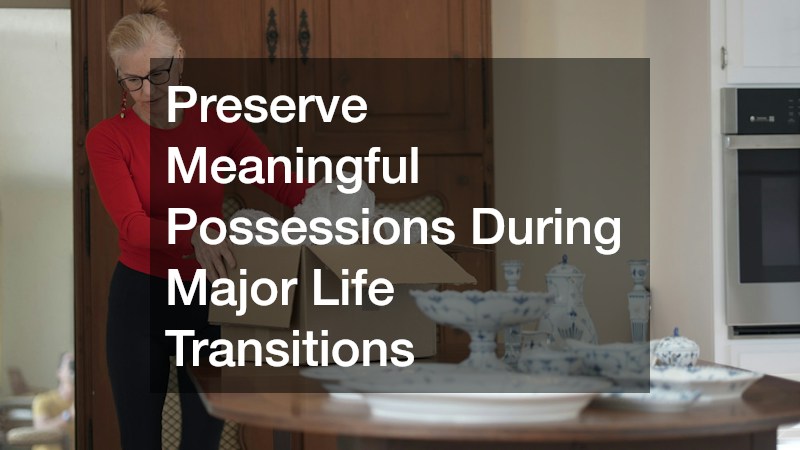
Personal belongings can represent family history, important experiences, and individual interests. Antiques, inherited furniture, and collectible objects may have sentimental or monetary value, making careful handling especially important when relocating.
When researching antique moving providers, look for experience handling fragile, unusual, or valuable items. Ask how the company evaluates objects, selects packing materials, and plans transportation. Different materials and construction styles may require different handling methods, so a general moving plan may not be appropriate for every piece.
Prepare for a move by:
- Photographing items before they are packed.
- Documenting existing damage or fragile features.
- Identifying objects that need specialized packing.
- Confirming how items will be loaded and transported.
- Reviewing insurance options and handling policies.
Share important details with the moving provider before receiving an estimate. Ask whether packing, transportation, and delivery are included or billed separately. Careful preparation can help preserve meaningful possessions while making it easier to arrange furniture and decorative items in a new home.
Maintain and Display Artwork With Professional Support
Artwork can give a living space personality and reflect the interests, memories, and experiences of the people who live there. Paintings, photographs, sculptures, and other creative pieces can become focal points in a room or contribute to a larger collection.
When considering local art restoration services, look for professionals with experience handling the type of artwork you own. A provider who regularly works with paintings may not specialize in photographs, textiles, or sculptures. Ask for an initial assessment that explains the condition of the piece and the proposed restoration process.
Useful questions include:
- What condition issues have been identified?
- Which restoration methods are appropriate?
- How will the artwork be handled during treatment?
- What results can realistically be expected?
- Are there recommendations for future preservation?
After restoration, consider how the piece will be displayed. Placement, lighting, framing, and environmental conditions can all influence how artwork is presented and maintained. Thoughtful display choices allow you to enjoy meaningful pieces while making them part of your home’s overall aesthetic.
Personalize Living Spaces With Creative Design Choices
Your home can reflect your interests just as much as your wardrobe or creative hobbies. Artwork, photographs, decorative objects, and carefully selected colors can help create spaces that feel personal rather than generic. Think about the atmosphere you want each room to convey before choosing new decorative elements.
Wall graphics can introduce visual interest without requiring a complete room renovation. Options may include illustrations, patterns, typography, nature-inspired imagery, or designs based on personal interests.
Keep these considerations in mind:
- Choose imagery that complements existing decor.
- Consider scale and placement before installation.
- Decide whether the design should be subtle or prominent.
- Compare materials, finishes, and installation methods.
- Review removal requirements if you may change the design later.
You can also combine graphics with framed artwork, travel photographs, and personal collections. The goal is to create visual connections between different elements without making the room feel crowded. Start with one area and build the design gradually as you discover what works.
Bring Fashion, Art, and Cultural Interests Together
Personal style becomes more distinctive when different interests influence one another. Clothing choices may reflect a favorite artistic movement, travel experiences may inspire home decor, and creative hobbies may introduce new colors, patterns, or subjects to explore. These connections allow people to develop a lifestyle that feels individual rather than assembled around passing trends.
One way to recognize these influences is to create an inspiration collection. Save photographs, artwork, clothing ideas, travel notes, and design references that appeal to you. Review the collection periodically to identify recurring themes and preferences.
Use a simple process to put those ideas into practice:
- Identify the interests that matter most to you.
- Collect references from different creative and cultural sources.
- Look for recurring colors, materials, and themes.
- Choose practical ways to incorporate those influences.
- Revisit your preferences as your interests change.
Avoid feeling pressured to turn every source of inspiration into a purchase or project. Some experiences are valuable simply because they introduce a new perspective. Allow your preferences to evolve as you learn, travel, and explore different forms of creative expression.
Personal style reflects the many interests and experiences that shape everyday life. Fashion, artistic pursuits, cultural learning, travel, and home design can all contribute to a distinctive sense of identity. Exploring these areas gives you opportunities to discover new preferences, develop creative skills, and find inspiration in places and activities you might not have considered before.
The key is to make choices that genuinely interest you. Research purchases carefully, select activities that fit your schedule, and take time to evaluate creative opportunities before committing. You do not need to follow every trend or pursue every new experience to develop a meaningful personal style. Instead, remain open to ideas that complement your existing interests and introduce something new. As your experiences change, your preferences may change with them. Embrace that flexibility and use what you learn to create a lifestyle that feels expressive, engaging, and distinctly your own.